
In a world where technology changes at the speed of light, some principles for selling custom software development remain timeless. Discover the enduring sales strategies that have stood the test of time and will set you up for success, no matter what comes next.
As the General Manager and an Account Manager at SSW, I’ve had my fair share of challenges in selling custom software development. It’s a field filled with complexities, risks, and uncertainties. But over the years, I’ve discovered that certain sales principles, when applied with care and understanding, can turn these challenges into opportunities. Let’s explore these principles in detail.
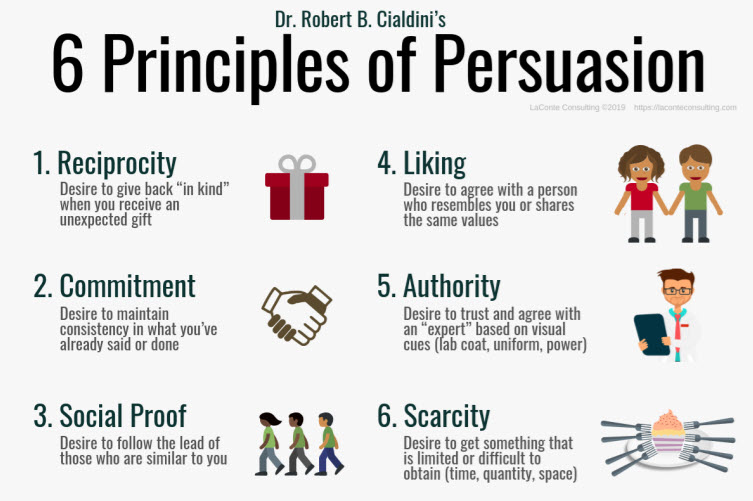
Figure: Cialdini formalised these in his famous book, Pre-suasion, but I’ve put the below in my own order of importance

1. Authority: It’s About Proof, Not Promises
The Importance of Authority: In the competitive field of custom software development, establishing authority is paramount. It’s not about claiming expertise; it’s about demonstrating it through tangible evidence and a consistent track record.
Example from SSW: Over the past 30 years, SSW has been actively creating and curating industry-leading practices on software development and project management. This collection, available at ssw.com.au/rules, serves as a resource for both our team and the broader community. Mentioning this in meetings isn’t merely a talking point; it’s a concrete demonstration of SSW’s authority on the subject.
Further Insights: Authority is also built through case studies that showcase problem-solving capabilities, certifications that align with industry standards, and hands-on expertise in Scrum and software development. It’s about transparency and a willingness to share the process, making clients feel at ease.

2. Reciprocity: More Than Just Freebies
The Power of Giving: Reciprocation is about offering something of value to create a sense of obligation, fostering a more engaging relationship with potential clients.
Example from SSW: At SSW, we’ve taken the concept of reciprocation to heart. Whether it’s through free initial meetings, giveaways like USBs and Notebooks, or providing valuable insights into the latest industry trends, we strive to give before we ask.
Further Insights: Reciprocation goes beyond tangible gifts; it’s about sharing expertise and knowledge, demonstrating commitment to the client’s success, and building a relationship founded on trust and mutual respect. It’s a subtle yet effective way to show potential clients that we understand their needs.

3. Building Trust: Honesty is Our Best Policy
Why Trust Matters: Trust is the cornerstone of any successful business relationship, especially in a field as complex as custom software development. Clients often come with their own set of fears, uncertainties, and doubts (FUD), and addressing these feelings head on is essential.
Example from SSW: In a recent meeting with a potential client, I openly discussed the risks involved in custom software development and how SSW has successfully navigated similar challenges in the past. This candid approach not only built trust but also helped alleviate the client’s FUD by demonstrating our expertise and commitment to transparency.
Further Insights: Building trust is about being open and honest about the challenges and how to overcome them. It’s about showing empathy, understanding the client’s concerns, and providing reassurance through proven strategies and examples. By acknowledging and addressing FUD directly, we can turn potential obstacles into opportunities for connection and collaboration.

4. Solution Selling: Tailoring to Needs
Understanding the Client: Every client has unique needs and pain points. Understanding these and tailoring the pitch accordingly leads to more meaningful connections.
Example from SSW: By focusing on solutions rather than generic services, we’ve been able to resonate with clients on a deeper level. We listen, understand, and create a customized approach that speaks directly to their specific needs.
Further Insights: Solution selling is about empathy and customization. It’s about moving away from a one-size-fits-all approach and crafting a proposal that aligns with the client’s unique requirements and goals.

5. Scarcity & Urgency: Limited Availability and Time-Sensitive Offers
Principle:
Scarcity and urgency are key sales drivers. Scarcity highlights limited availability, while urgency speeds up decision-making. In custom software development, these can be combined for a strong sales pitch.
SSW Example:
Our developers are in high demand for their expertise and quality work. We emphasize:
- Limited Availability: Our top developers are often fully booked.
- Time-Sensitivity: Deadlines and project timelines add urgency.
- Limited-Time Offers: Special pricing or features are occasionally available for quick commitments.
Further Insights:
This isn’t artificial demand; it’s our business reality. Limited availability and time-sensitive offers create urgency, encouraging clients to act quickly for the chance to work with our top-notch team.
Other Sales Principles:

6. Commitment and Consistency: Encouraging clients to make small commitments can lead to larger commitments later on. It’s about building momentum and consistency in the relationship.

7. Social Proof: Sharing testimonials, case studies, or endorsements from satisfied clients adds credibility and demonstrates value.

8. Likability: Building rapport and finding common ground fosters a positive relationship. It’s about connecting on a personal level.

9. Storytelling: Using stories to convey information makes it more engaging and relatable. Sharing success stories or client experiences adds a human touch.
Conclusion
Selling custom software development is a complex and nuanced task. But by applying universal sales principles such as building trust, showing authority, practicing reciprocation, and being candid about the challenges, we can turn potential risks into opportunities. These principles, while illustrated through my experiences at SSW, are applicable across various fields and can be a valuable guide for anyone looking to enhance their sales approach. Whether you’re a seasoned professional or just starting in sales, these insights offer a roadmap to success in the ever-changing landscape of custom software development.
 The Chief Operating Officer