
Tags
ai, chatgpt, Leadership, network, neural, software-development, technology
As someone deeply entrenched in the world of technology and software development, I’ve witnessed firsthand the remarkable evolution of this industry. It’s been a journey from the early days of bulky mainframes and cryptic command lines to the sleek, intelligent systems of today – and there’s no sign of slowing down. This post delves into the rich history of software development, tracing the pivotal moments and groundbreaking innovations that have brought us to the current state of digital sophistication. We’ll explore the past, assess the present, and take a speculative glance into the future, where AI, AR and quantum computing are poised to redefine what’s possible.
Timeline of Industry Trends in Custom Software Development
1950s-1960s: Mainframe Era

- Introduction of mainframe computers.
- Command-line interface and batch processing.
- Dominance of languages like COBOL and FORTRAN.
1960s-1970s: Rise of Minicomputers

- Minicomputers offer a smaller, more affordable option.
- Continued use of command-line interfaces.
- Expansion into businesses and academic institutions.
1980s: Birth of Personal Computers and Windows Development

- Personal computers bring computing to a wider audience.
- Introduction of Graphical User Interfaces (GUIs): GUIs revolutionize user interaction with computers, making them more user-friendly and accessible to non-technical users.
- Launch of Microsoft Windows: Windows becomes a significant player in the software development world, popularizing the use of GUIs in personal computing.
- Development of software applications for Windows accelerates, marking a significant shift in how software is designed and interacted with.
1990s: Internet and Web Development

- The rise of the internet and web browsers.
- Shift towards web development: from static to dynamic web applications.
- Emergence of web-based languages and technologies (HTML, JavaScript, PHP).
2000s: Business Intelligence (BI)
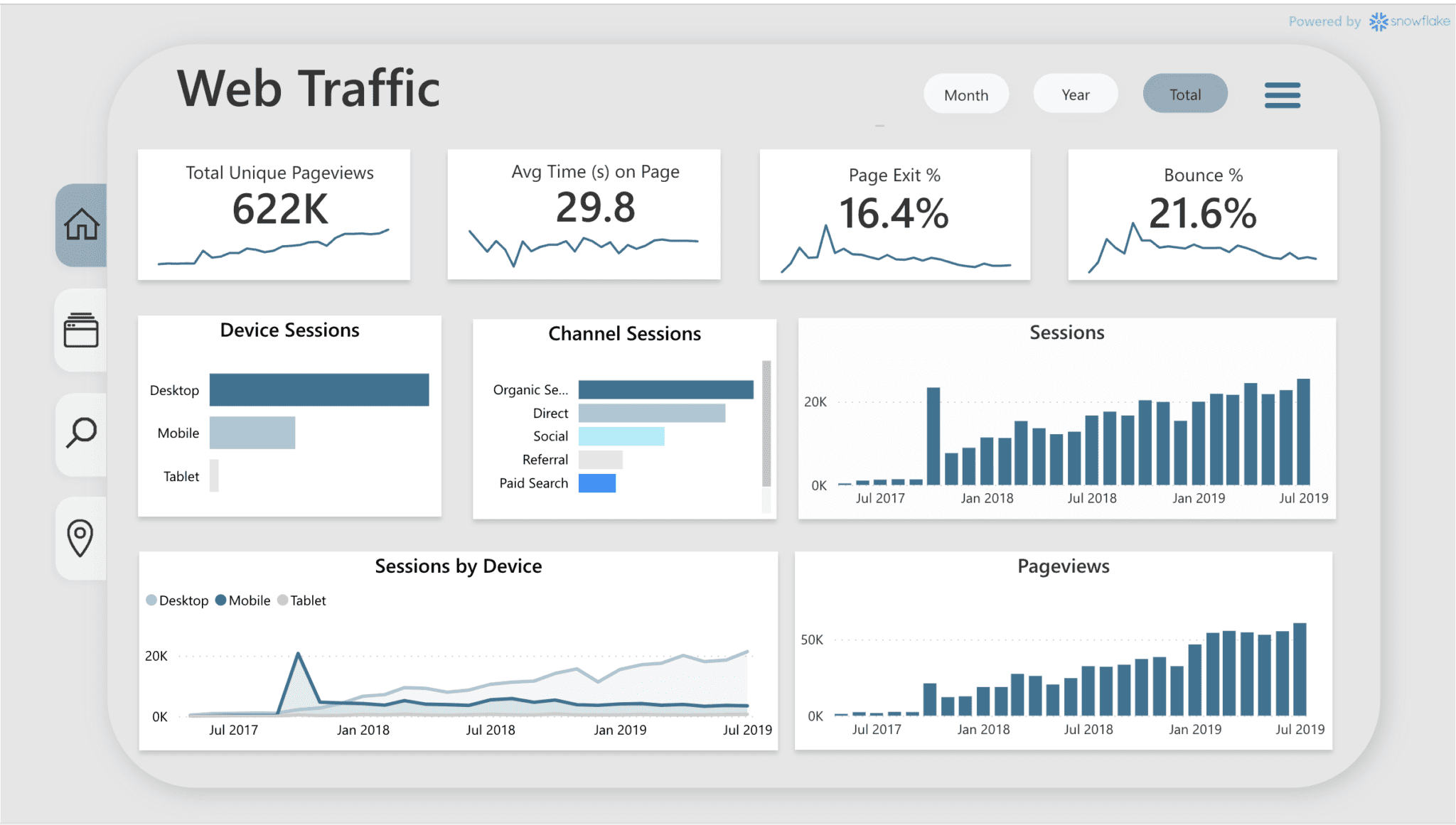
- As businesses started to generate and collect more data, there was a growing need for tools and methodologies to analyze this data for strategic decision-making.
- BI tools began to evolve from basic data reporting functions to more sophisticated analytics, including data mining, online analytical processing (OLAP), and later, predictive analytics.
- The focus shifted towards providing business users with insights for performance measurement, identifying trends, and making informed decisions based on data.
- This era also saw the integration of BI solutions with other business systems, improving accessibility and usability for non-technical users.
2010s: SaaS, Cloud Computing and Big Data

- Cloud computing (Azure, AWS, Google Cloud) becomes mainstream.
- SaaS (Software as a Service) models gain popularity.
- Focus on big data analytics and processing.
- BI tools further evolved. They began to handle larger data sets, offering more advanced analytics capabilities, and providing cloud-based, scalable solutions.
Late 2010s: AI and Machine Learning
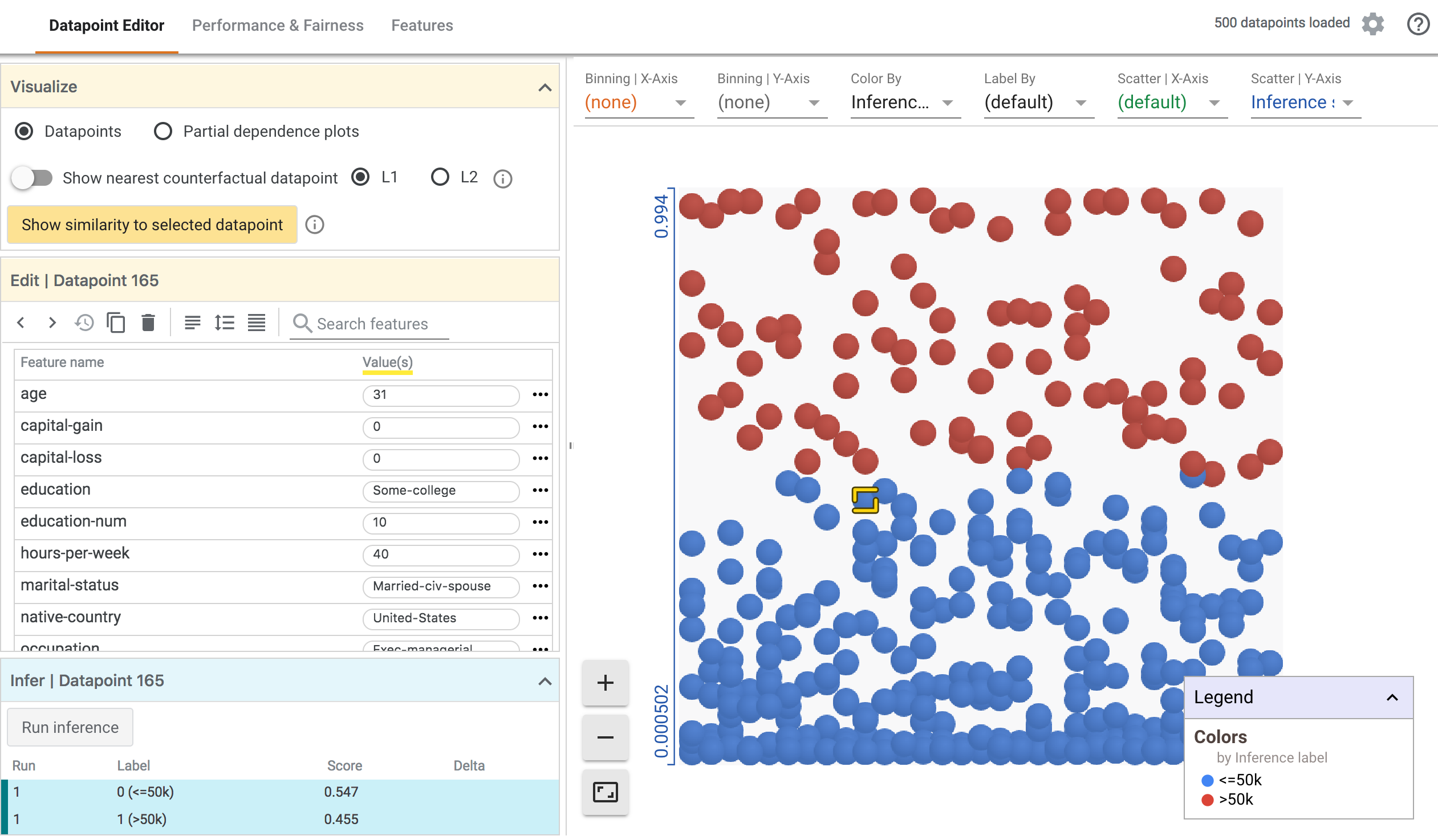
- Integration of AI and machine learning into applications.
- Rise of data-driven decision-making and predictive analytics.
- Advancements in natural language processing and automation.
2020s: DevOps, IoT, and Cybersecurity

- Widespread adoption of Agile and DevOps methodologies.
- Growth of the Internet of Things (IoT) and connected devices.
- Increased focus on cybersecurity in software development.
2020s: Remote Work and Distributed Teams

- The COVID-19 pandemic accelerates remote work trends.
- Emphasis on tools and practices for remote software development.
Ok. That brings us to now. We’re building web and mobile applications with good DevOps, while prioritising remote access, and starting to incorporate more and more AI features… so let’s look at what’s coming next:
Future Trends (2020s and Beyond)
- Continued advancement in AI and machine learning.
The realm of AI and machine learning isn’t just advancing; it’s evolving at a breakneck pace. What was once the domain of theoretical research is now driving the core of many modern applications. From predictive analytics that power business decisions to AI-driven personal assistants in our smartphones, the practical applications of these technologies are becoming increasingly sophisticated. In the coming years, we’re likely to see even more personalized and intelligent AI solutions, pushing the boundaries of automation, decision-making, and user experience. The integration of AI in various industries isn’t just an add-on anymore; it’s becoming a fundamental aspect of digital innovation.
- Emergence of quantum computing and its potential impact.
Quantum computing, often regarded as the next frontier in computational power, is poised to redefine the limits of data processing. Unlike traditional computing, which relies on bits to process information, quantum computing uses quantum bits or qubits. This allows it to process complex datasets much more efficiently. The potential impact of quantum computing is enormous, particularly in fields requiring enormous computational power like cryptography, material science, and complex system modeling. While still in its early stages, the progress in this field could revolutionize how we approach problem-solving in sectors where current computing power hits its limits.
- Growth in edge computing and serverless architectures.
Edge computing and serverless architectures are reshaping how we handle data and run applications. Edge computing brings computation and data storage closer to the location where it’s needed, improving response times and saving bandwidth. This is crucial in a world increasingly reliant on IoT devices and mobile computing. Meanwhile, serverless architectures allow developers to build and run applications without managing servers, significantly simplifying operations and reducing costs. This paradigm shift in computing not only enhances efficiency but also allows organizations to focus more on development and innovation rather than infrastructure management.
Projection: 2030s and Beyond
- Anticipated integration of virtual reality (VR) and augmented reality (AR) in applications.
The integration of Virtual Reality (VR) and Augmented Reality (AR) into various applications is anticipated to transform our interaction with the digital world. VR, with its immersive environments, is poised to revolutionize industries like gaming, training, and virtual tours, offering experiences that are as close to reality as possible. AR, on the other hand, overlays digital information onto the real world, enhancing everyday activities with interactive and context-rich information. From AR-assisted surgeries to interactive educational experiences and improved retail shopping, these technologies are bridging the gap between the physical and digital realms, creating opportunities for innovation that were once the stuff of science fiction.
- Possible advancements in brain-computer interfaces.
Brain-computer interfaces (BCIs) represent a frontier in the convergence of neuroscience and technology. The potential advancements in this field are groundbreaking, offering the promise of directly translating brain activity into computer commands. Imagine controlling devices, communicating, or even navigating digital spaces with just your thoughts. BCIs could revolutionize the way individuals with mobility or speech impairments interact with technology, offering newfound independence. Beyond assistive technologies, the implications in gaming, virtual reality, and even medical diagnostics are profound, potentially leading to a future where the line between thought and action, biology and technology, becomes seamlessly integrated.
- Evolution of AI towards more autonomous and intelligent systems.
The evolution of AI is trending towards the creation of more autonomous and intelligent systems, capable of complex decision-making with minimal human intervention. This future wave of AI will likely see systems that not only learn and adapt but also understand context and exhibit a form of ‘intuitive reasoning.’ The goal is to develop AI that can tackle nuanced and sophisticated tasks, from advanced medical diagnostics to real-time, complex problem-solving in unpredictable environments. As these systems become more capable, the emphasis will also shift towards ensuring they operate within ethical and responsible frameworks, balancing autonomy with accountability. This evolution represents not just a technological leap, but a paradigm shift in how we conceive of and interact with intelligent systems.

 The Chief Operating Officer